

Alex Guru: building a learning platform with AI automation
For the Alex Guru learning platform, we turned the author's book into a 254-lesson course in three languages. Illustrations, translations, SEO and schema.org were produced not one by one but automatically – in queued batches for the whole project. The author checked every word and image. By the client's estimate, the project took 5–7 months instead of about 4 years; the budget was €5,270 including AI tokens.
- 254lessons in three languages
- 1,500+illustrations in batches
- 3languages: Russian, English, Spanish
- 5–7 mo.instead of ~4 years (client's estimate)
The brief
The author had a book and notes from years of classes. He needed a consistent online course: lessons, an illustration for each lesson, search-ready texts, several languages and a tool for students to track their progress. By hand, every image, translation and SEO field would have to be made and uploaded separately – about 4 years of work, by the author's estimate.
The solution
We put the whole job into one pipeline: data comes from the site's database, a script builds the prompt for every page or image, jobs go in batches to a queue and the AI models, results are written back to the site automatically, and progress is saved, so an interrupted run resumes where it stopped. A person reviews the output, and rejected items go back to the queue with comments.
Structure, texts and SEO (2025). With AI we discussed the plan, split the book into 3 stages, 10 courses, 49 levels and lessons, merged some courses, moved lessons and looked for errors; AI wrote an opening metaphor for each lesson and safety notes. Titles for both search and readers, meta descriptions, alt texts and schema.org markup (Course, LearningResource, FAQPage) were generated for every page automatically.
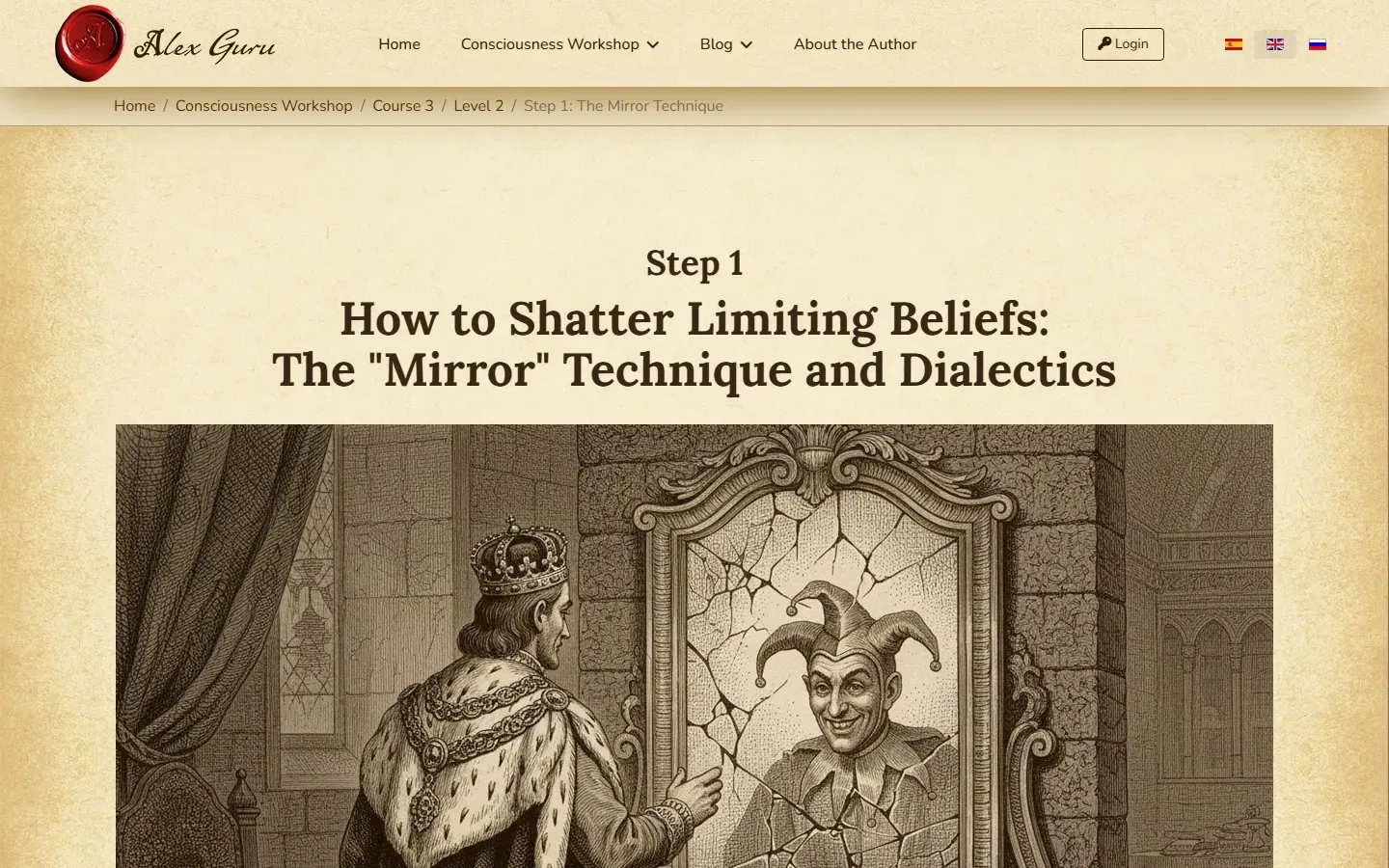
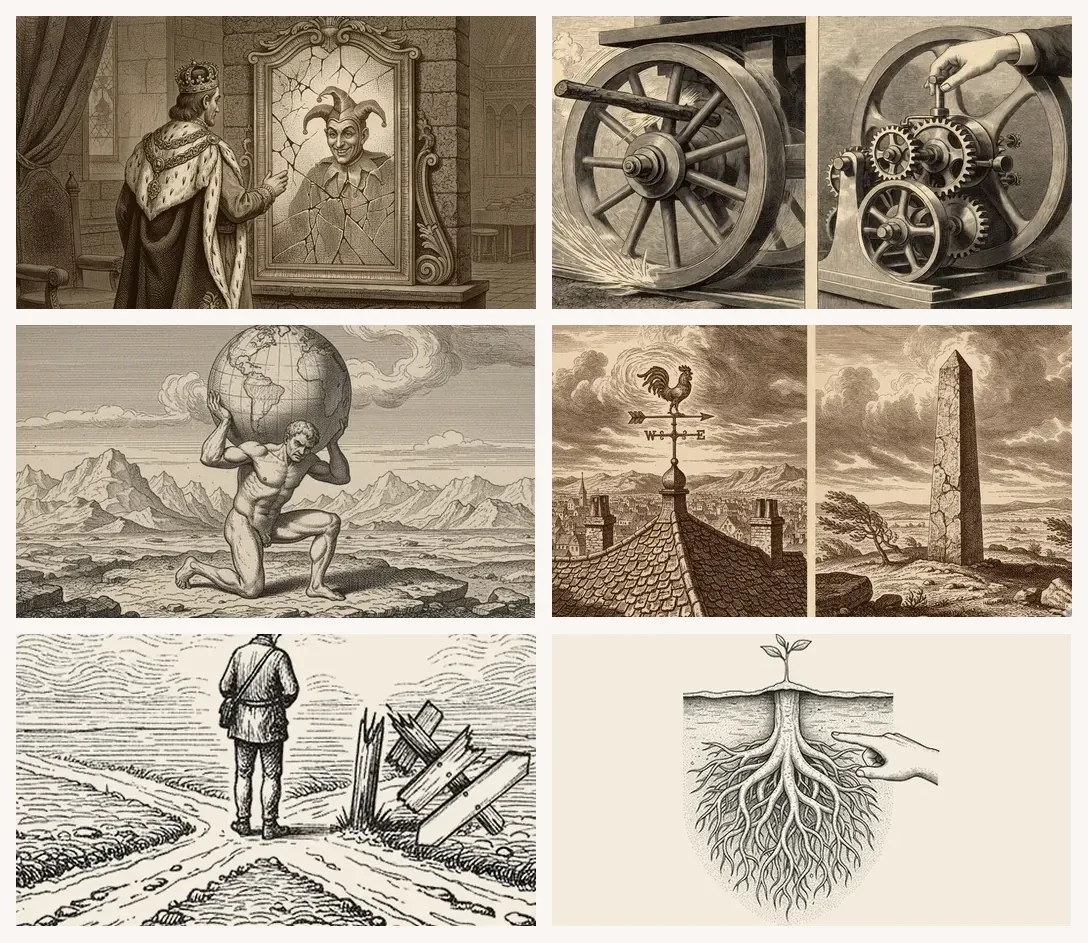
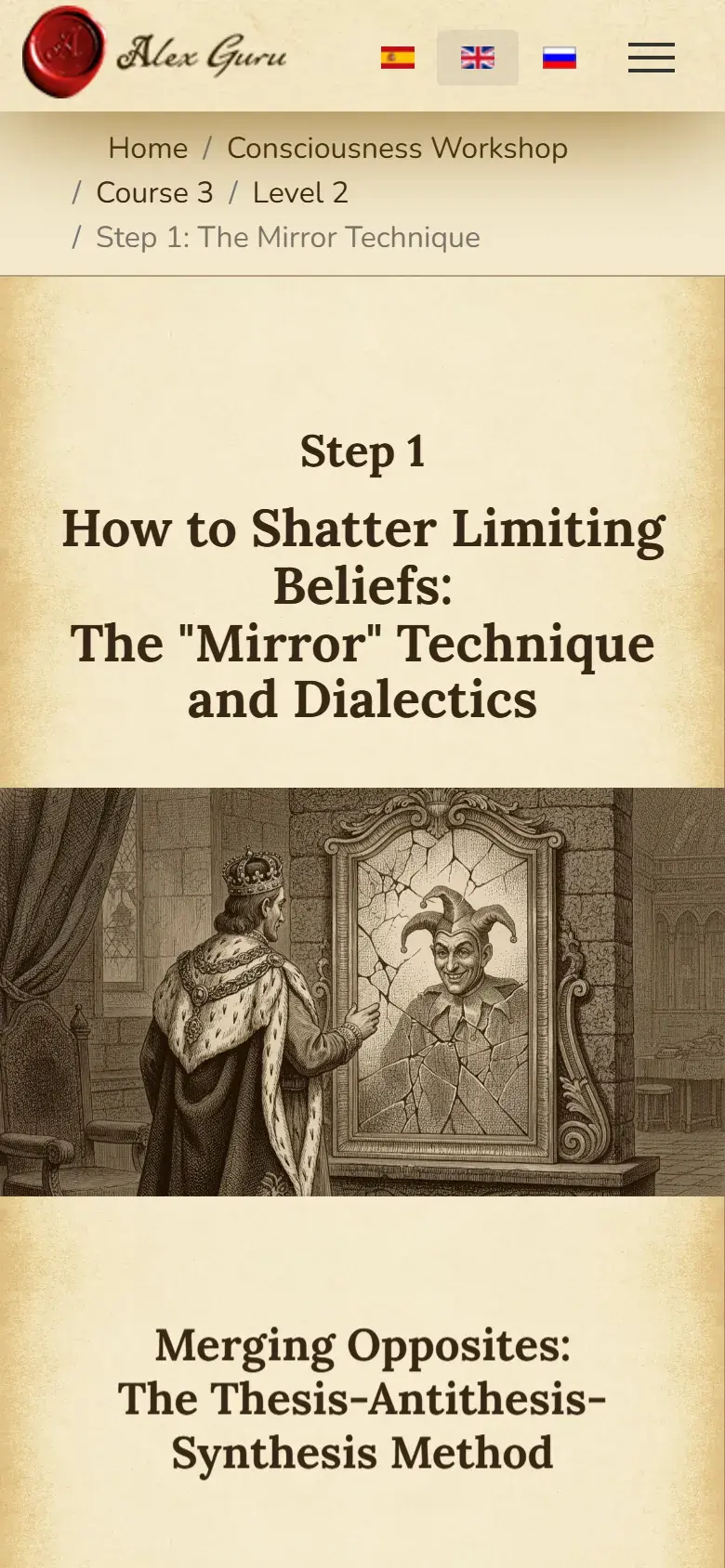
Over 1,500 engravings and icons (2025). An old-engraving-style image for every lesson, level and course, based on the lesson's content. A script built prompts from lesson titles and descriptions, sent them to a queue in batches, and the finished images were saved and attached to pages automatically. Engravings were mostly generated with GPT, icons with Nano Banana; images the author rejected were regenerated for 2–3 rounds based on his comments.
English and Spanish translations (2026). We translated the whole project at once rather than article by article: a script duplicates the language structure, all content is queued, translated and written to the site, internal links are switched to the new language's pages, SEO fields and schema.org are generated, then automatic checks run. For each language we tested several models and chose the one that translated best.
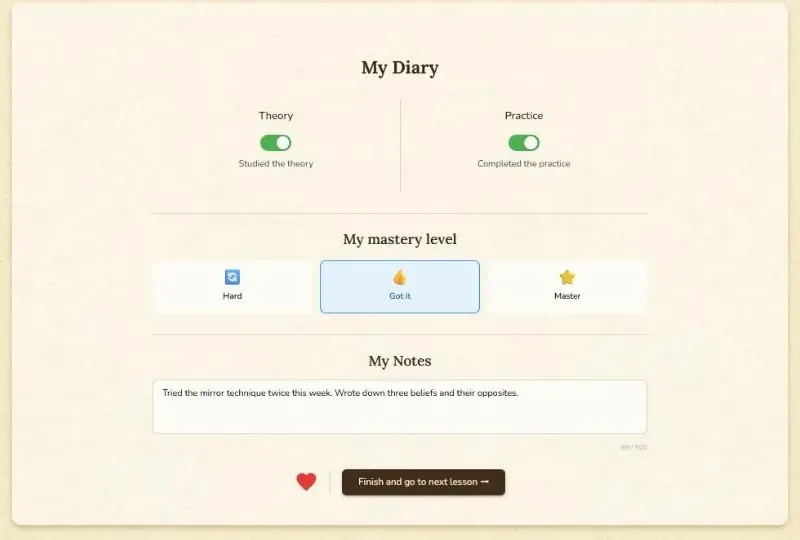
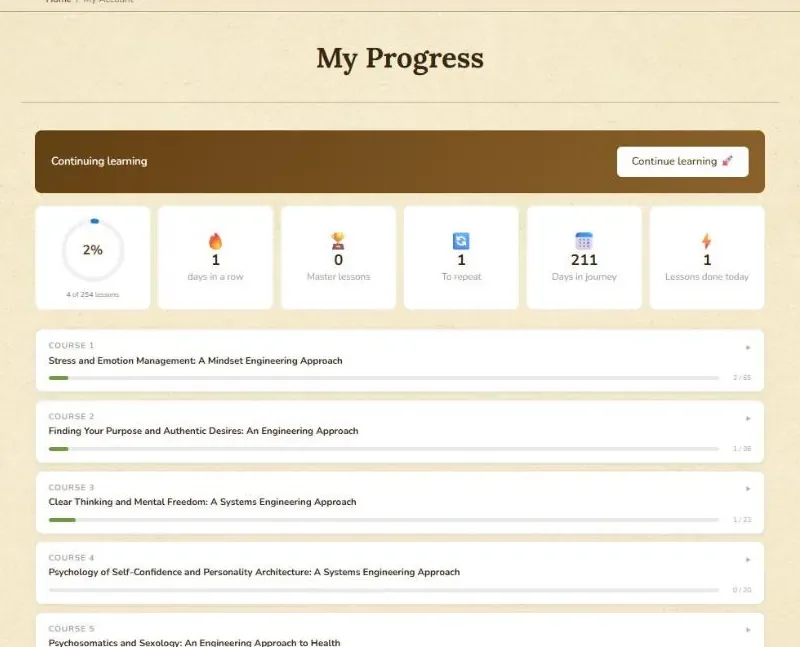
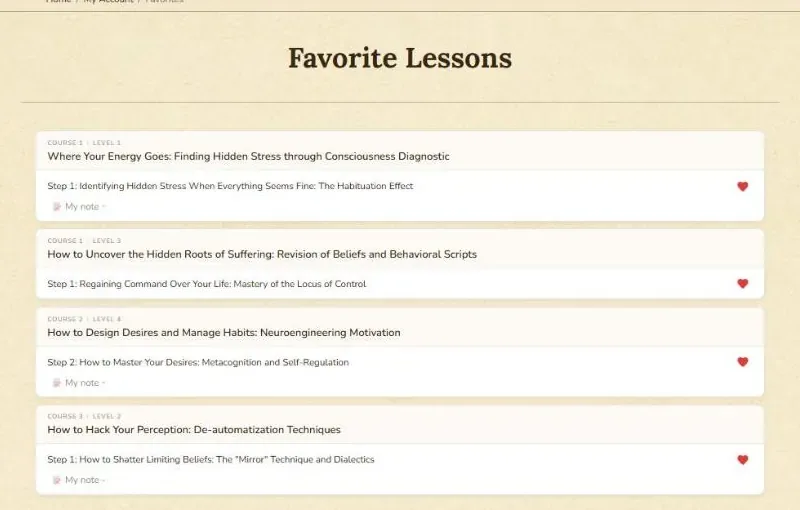
Student journal (2026). A custom Joomla plugin, component and module, coded with an AI agent, with the interface in three languages: a signed-in student marks theory and practice on each lesson, rates their mastery ("Hard", "Got it", "Master"), writes notes and saves favourite lessons. Progress, the day streak, lessons to repeat and unfinished lessons are calculated on their own.
Integrations and modules
- Claude Code (agent) – moving the structure into the database, scripts and queues, duplicating languages, coding the journal, checks
- Claude Sonnet – translating lessons, pages and menus, SEO titles and descriptions, URL slugs
- Claude Haiku – schema.org markup for hundreds of pages, intro texts
- OpenAI GPT – engravings, article translation and SEO; Google Gemini – planning, lesson structure, proofreading, translation tests; Nano Banana – icons
- Human review: the author read and edited every lesson and reviewed every image; by his estimate, 80–85% of the work on the content is his own
Result
The site runs in Russian, English and Spanish: 3 stages, 10 courses, 49 levels, 254 lessons in each language, 210 articles and over 1,500 illustrations. In the Spanish version, 341 course pages and 543 SEO records were created and 4,728 internal links switched automatically; the whole Spanish version took about 70 hours, and from it we built a 5-step template for the next language (~25–30 hours). By the client's estimate, the project took 5–7 months instead of about 4 years and saved tens of thousands of euros on editors and translators. Budget: €5,270, AI tokens included – structure, texts and SEO €1,500, illustrations €720, English translation €1,100, Spanish translation €1,100, student journal €850.
What we would add with AI today
The next step is another language using the same 5-step template and an AI assistant for students that answers questions based on lesson content. The same pipeline – data, prompts, queue, write-back, human review – fits any site with hundreds of pages or products: for descriptions, translations and images.
Alex Guru
Screenshots
-
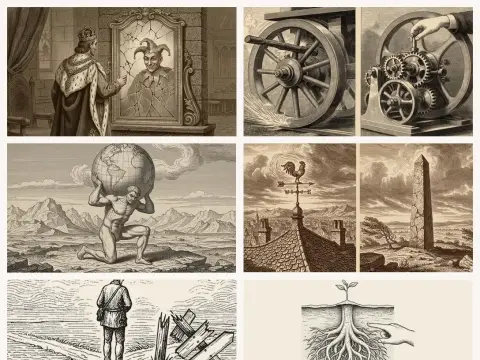
Alex Guru – six AI-generated lesson engravings -

Alex Guru – AI icons in round frames (Nano Banana) -
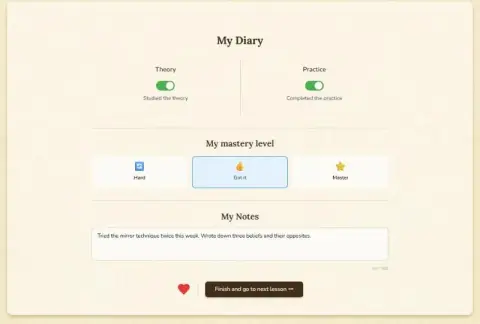
Alex Guru – student journal on a lesson: theory, practice, mastery level, notes -
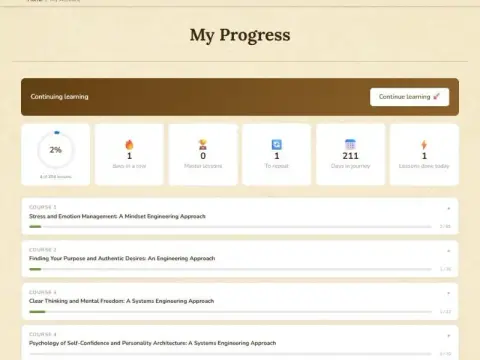
Alex Guru – student account: progress ring, day streak, lessons by course -
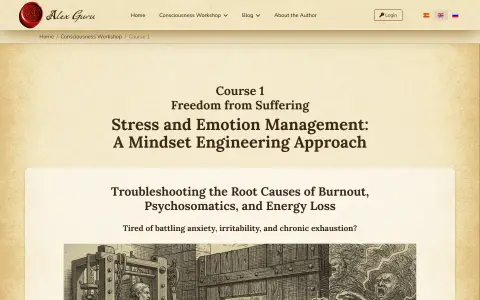
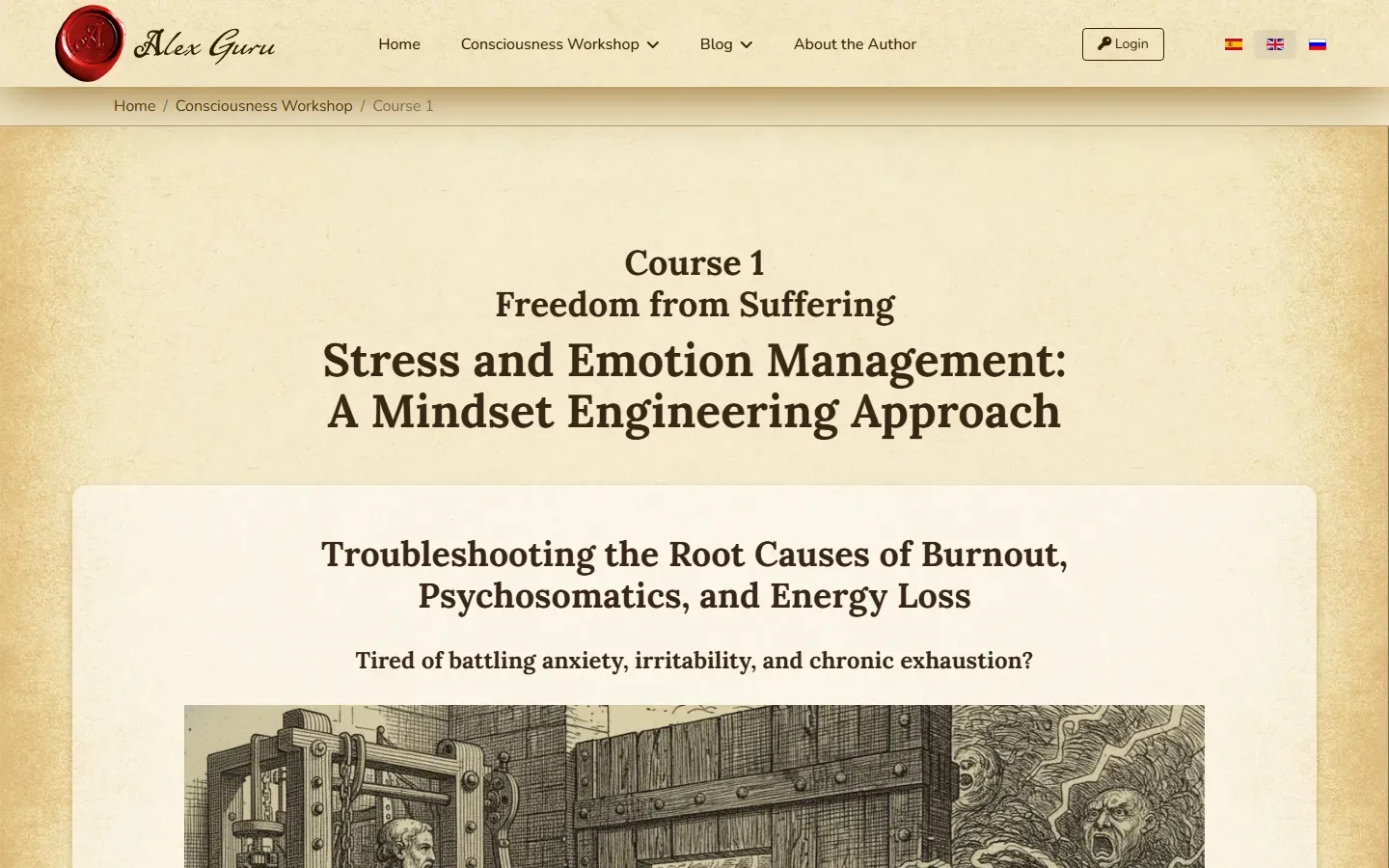
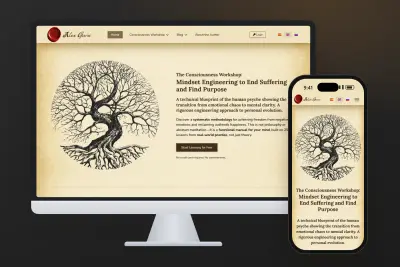
Alex Guru – course page in English -
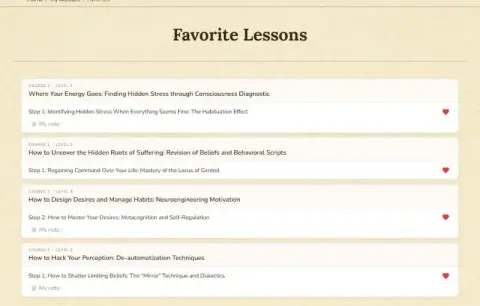
Alex Guru – favourite lessons by course and level -
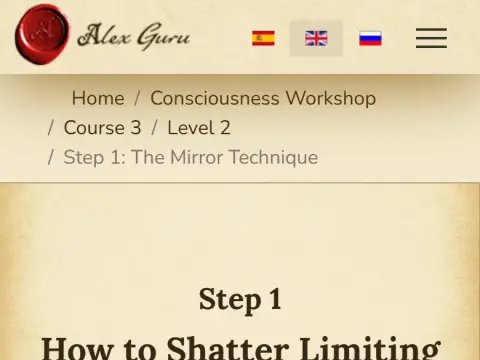
Alex Guru – a lesson on a phone in English


FAQ
Frequently asked questions
Which AI models did you use?
Claude Code (agent), Claude Sonnet and Haiku, OpenAI GPT, Google Gemini and Nano Banana. For each language we tested several models and chose the one that translated best.
What did a human check?
The author read and edited every lesson and reviewed every image. Images he rejected were regenerated for 2–3 rounds based on his comments.
How long did the project take?
By the client's estimate, 5–7 months instead of about 4 years. The whole Spanish version took about 70 hours, and the next language using the 5-step template would take ~25–30 hours.
How much did it cost?
The budget was €5,270, AI tokens included: structure, texts and SEO €1,500, illustrations €720, English translation €1,100, Spanish translation €1,100, student journal €850.
Enquiry
A similar solution: automating content, translations and illustrations with AI
Tell us what you want to automate or connect – we will assess it and suggest where to start.
+370 670 99265Mon–Fri 9:00–18:00
info@saitai.ltWe reply within 1 working day
Alaušo g. 1C, LT-08424 VilniusMeetings by prior arrangement by phone only